Why One Size Fits All GMP Training Fails: The Case for Tailored Compliance Education
This guide is for GMP training managers, instructional designers, and compliance officers in pharmaceutical manufacturing. It provides a comprehensive overview of how to design effective eLearning for GMP environments, ensuring your training programs not only meet regulatory requirements but also drive operational excellence. Effective eLearning design for GMP environments is critical for compliance and operational success because it enables organizations to demonstrate regulatory competence, reduce training costs, and maintain a culture of quality and accountability. With FDA enforcement actions increasingly targeting training deficiencies, pharmaceutical companies face mounting pressure to demonstrate effective good manufacturing practice competence across their workforce. The shift from traditional classroom training to digital learning platforms represents both an opportunity and a challenge for organizations operating under stringent regulatory requirements. Digital education offers rapid information access, convenience, and cost savings, making it an attractive option for GMP environments. Digital GMP training can significantly reduce training costs compared to traditional classroom training. Digital GMP training offers flexibility and availability for employees to learn at their own pace, making it easier to integrate training into their schedules without disrupting operations.
Online GMP training provides flexibility and accessibility, allowing employees to access relevant courses anytime and from any location. This ease of access is especially valuable for maintaining a compliance culture during disruptions such as a pandemic, when in-person training may not be feasible.
Modern GMP environments demand training systems that go far beyond simple content delivery. They require comprehensive learning ecosystems that ensure regulatory compliance while addressing the practical constraints of manufacturing operations. From contamination control in sterile facilities to data integrity protocols in quality control laboratories, every aspect of GMP training must be meticulously designed, validated, and continuously improved. GMP training helps to embed a culture of quality within teams, reinforcing precision, accountability, and attention to detail.
This comprehensive guide will walk you through the essential components of designing effective eLearning for GMP environments, covering everything from regulatory compliance requirements to advanced technology integration. You’ll discover how to create training programs that not only meet FDA and ICH guidelines but also drive measurable improvements in quality metrics and operational performance. GMP training is critical for maintaining compliance with regulatory standards, which helps prevent contamination, product recalls, and legal actions.
Introduction to eLearning
eLearning has become an indispensable tool in the development of effective GMP training programs. By leveraging online training courses, organizations can deliver good manufacturing practice (GMP) content to employees anytime and anywhere, ensuring that training is both accessible and adaptable to varying schedules. This flexibility is particularly valuable in the pharmaceutical, biotechnology, and food industries, where operational demands can make traditional classroom training challenging.
Modern eLearning platforms are designed to support the full spectrum of GMP training needs, from onboarding to ongoing compliance. These platforms enable the creation and management of interactive training courses that align with regulatory requirements and industry best practices. By incorporating interactive elements such as simulations, quizzes, and discussion forums, eLearning not only enhances knowledge retention but also encourages active participation among learners. This approach ensures that employees are not just passively absorbing information, but are engaged in the learning process, which is critical for building lasting GMP competence.
Furthermore, eLearning supports the scalability of GMP training programs, allowing organizations to efficiently update and distribute training materials as regulations evolve. This ensures that all employees receive consistent, up-to-date information, supporting both compliance and the maintenance of high product quality standards.
Pharmaceutical Manufacturing Overview
Pharmaceutical manufacturing is a complex process that transforms raw materials into finished medicinal products, requiring strict adherence to good manufacturing practice (GMP) regulations at every stage. GMP training is a cornerstone of this process, ensuring that all employees—from production operators to quality assurance and distribution staff—understand their roles in maintaining product safety and efficacy.
Effective GMP training programs are designed to cover essential topics such as quality management, quality assurance, and quality control, as well as the implementation of standard operating procedures (SOPs). These training modules provide employees with a thorough understanding of the regulatory landscape and the practical steps required to achieve and maintain compliance with GMP regulations.
By investing in comprehensive GMP training, pharmaceutical manufacturing organizations can minimize the risk of non-compliance, reduce operational errors, and ensure that every product meets the highest standards of quality. This not only protects patient safety but also supports the organization’s reputation and regulatory standing in a highly competitive industry.
Internal Audits and Compliance
Internal audits are a fundamental component of any robust GMP training program, serving as a proactive measure to ensure ongoing compliance with GMP regulations and internal standards. Through regular internal audits, organizations can systematically assess the effectiveness of their training programs, evaluate employee understanding of GMP principles, and verify adherence to standard operating procedures.
These audits are instrumental in identifying training gaps and areas where additional support or refresher training may be needed. By closely monitoring training effectiveness, organizations can implement targeted corrective and preventive actions (CAPA) to address any deficiencies or deviations uncovered during the audit process. This continuous cycle of assessment and improvement not only strengthens compliance but also fosters a culture of accountability and quality.
Moreover, internal audits provide valuable insights that inform the development of future training modules and refresher courses, ensuring that training content remains relevant and aligned with evolving regulatory requirements. By integrating audit findings into the training process, organizations can maintain a high level of GMP competence and readiness for external inspections.
Refresher Training
Refresher training is a vital element of any effective GMP training program, designed to reinforce and update employees’ knowledge of good manufacturing practice principles and procedures. As regulations and standard operating procedures evolve, regular refresher courses ensure that employees remain current with the latest requirements and best practices.
These training sessions should be structured around specific learning objectives, such as updates to GMP regulations or critical procedures that are essential for maintaining compliance. By incorporating interactive elements like quizzes, case studies, and group discussions, refresher training promotes active participation and enhances knowledge retention, making the learning experience both engaging and effective.
Ongoing refresher training also helps employees stay aware of their responsibilities regarding public safety and regulatory compliance. It empowers them to recognize and report deviations from SOPs, supporting a proactive approach to quality management and continuous improvement within the organization.
Employee Development
Employee development is a key driver of organizational success in the pharmaceutical industry, where the stakes for product quality and patient safety are exceptionally high. Well-designed GMP training programs play a central role in employee development by equipping staff with the knowledge, skills, and competencies required to excel in their roles.
A comprehensive approach to employee development incorporates a variety of training methods, including on-the-job training, instructor-led training, and online training courses. This blended approach caters to different learning styles and ensures that all employees can access the training they need, when they need it. Regular assessments and evaluations are essential for identifying training gaps and measuring training effectiveness, allowing organizations to tailor their development programs to address specific needs.
By prioritizing employee development through ongoing GMP training, organizations can boost job satisfaction, reduce turnover, and enhance overall performance. This investment not only supports compliance and operational excellence but also builds a workforce that is capable, confident, and committed to upholding the highest standards of good manufacturing practice.
Understanding GMP eLearning Design Requirements
The foundation of any successful GMP eLearning system begins with a thorough understanding of regulatory compliance mandates. FDA 21 CFR Part 211.25 explicitly requires that personnel be trained in “particular operations that the employee performs” and “current good manufacturing practice,” including hygiene requirements. This regulation extends beyond basic awareness to demand demonstrable competence in role-specific responsibilities. Regulatory bodies like the FDA and EMA require training programs to be well-documented and thorough.
ICH Q7 guidelines for APIs further emphasize that training must be “appropriate to the duties of the personnel” and regularly assessed for effectiveness. These regulatory frameworks create clear design constraints for eLearning platforms: they must support evidenced-based competence development, maintain comprehensive training records, and provide auditable documentation of training effectiveness.
Regulatory Framework Requirements
| Regulation | Key Training Requirements | eLearning Implications |
|---|---|---|
| 21 CFR 211.25 | Role-specific GMP training, hygiene protocols, documented effectiveness | Competency-based assessments, role mapping, detailed tracking |
| ICH Q7 | Appropriate duties training, regular assessment, record maintenance | Periodic evaluations, automated scheduling, audit trails |
| EU GMP Chapter 2 | Theory and practice integration, regular updates, training records | Blended learning approach, version control, comprehensive documentation |
| ICH Q10 | Quality system integration, continuous improvement | Training effectiveness metrics, feedback loops, system integration |
The transition from classroom training to online training courses introduces additional complexity in GMP environments. Unlike general corporate learning, GMP eLearning must address specific learning objectives tied directly to manufacturing processes, quality control procedures, and regulatory compliance requirements. GMP training courses are essential for ensuring regulatory compliance, adapting to technological advances, and supporting remote or pandemic-safe learning in the pharmaceutical and medical device industries. This means every training module must be mapped to specific SOPs, work instructions, and quality manual requirements. Digital GMP training allows for standardized information delivery across multiple locations, ensuring consistency in compliance and operational practices.
Essential validation requirements for computerized training systems in regulated industries include 21 CFR Part 11 compliance for electronic records and signatures. Your LMS must maintain data integrity according to ALCOA+ principles while providing robust audit trails for regulatory inspections. This includes user authentication protocols, automated backup systems, and controlled access to training materials and records.
Traditional classroom training typically allows for real-time clarification and immediate hands-on practice. Digital GMP learning environments must compensate for this through interactive simulations, scenario-based learning, and comprehensive assessment strategies. The key difference lies in the need for objective evidence of competence rather than simple attendance records.
Conducting Pre-Design Analysis for GMP eLearning
A comprehensive needs assessment is necessary to identify specific training requirements and skill gaps across departments. Effective training program development begins with a comprehensive training needs assessment that examines your organization’s unique manufacturing processes, quality control requirements, and regulatory obligations. Structured and comprehensive training programmes are essential for GMP compliance, skill retention, and operational improvement, ensuring that employees are equipped to meet regulatory standards. This analysis must extend across all departments involved in GMP operations, from production floors to quality assurance laboratories. Conducting a training needs analysis is essential to identify gaps in GMP knowledge among staff, ensuring that training programs are targeted and effective.
The assessment should identify role-specific competency requirements for each position within your GMP environment. Operators require detailed knowledge of contamination control procedures and equipment operation protocols. Quality control personnel need expertise in analytical method validation, out-of-specification investigations, and data integrity practices. Quality assurance staff must understand deviation management, corrective and preventive actions, and audit preparation procedures.
Training Needs Assessment Methodology
- Process Mapping: Document all critical manufacturing processes and identify training touch points.
- Risk Analysis: Evaluate high-risk procedures requiring specialized training modules.
- Competency Gap Analysis: Compare current skill levels against regulatory requirements.
- Documentation Review: Analyze existing SOPs and work instructions for training implications.
- Stakeholder Interviews: Gather input from supervisors, operators, and quality personnel.
Your analysis must also examine existing SOPs, work instructions, and quality manual documentation to ensure complete alignment between training content and operational procedures. To promote employee competence and regulatory adherence, it is crucial to provide complete training that covers all aspects of GMP principles and requirements. Any disconnect between training materials and actual work instructions creates compliance risks and operational inefficiencies.
Mapping critical control points and high-risk processes helps prioritize training development resources. Aseptic processing, sterile filtration, cleaning validation, and equipment changeover procedures typically require more sophisticated training modules with hands-on simulations and competency demonstrations. These areas often correlate with the highest deviation rates and regulatory scrutiny. Digital GMP training can be conducted during downtime or low production periods, minimizing disruption to operations while maintaining compliance.
The pre-design analysis should also evaluate your current training systems and identify technology gaps that could impact implementation. Consider factors such as network infrastructure, device availability, and user computer literacy levels across different manufacturing areas.
Stakeholder Analysis and Role Mapping
Production operators represent the largest training population in most GMP environments and require specialized content focusing on contamination control, equipment operation procedures, and documentation practices. Their training modules must emphasize visual learning elements and step-by-step procedural guidance that translates directly to shop floor activities.
Quality assurance staff need advanced training modules covering deviation management, CAPA system utilization, change control procedures, and regulatory inspection preparation. These personnel often serve as internal auditors and must understand both technical requirements and regulatory expectations across multiple functional areas.
Maintenance technicians require unique training addressing the GMP impact of maintenance activities, equipment validation procedures, and calibration requirements. Their training must bridge technical maintenance skills with quality system requirements, emphasizing how maintenance decisions affect product quality and regulatory compliance.
Stakeholder Training Priority Matrix
| Role Category | Primary Training Focus | Implementation Priority | Assessment Method |
|---|---|---|---|
| Production Operators | Contamination control, equipment procedures | High | Simulation-based competency |
| QC Analysts | Analytical procedures, data integrity | High | Knowledge + practical assessment |
| QA Personnel | Regulatory compliance, audit preparation | Medium | Scenario-based evaluation |
| Maintenance Staff | Equipment validation, calibration | Medium | Hands-on demonstration |
| Management | Audit readiness, quality metrics | Low | Knowledge assessment |
Management personnel require training focused on audit readiness, quality metrics interpretation, and regulatory inspection leadership. While their training needs may have lower implementation priority, their understanding of training effectiveness and regulatory compliance significantly impacts overall program success.
Once training needs are identified, selecting the appropriate LMS is critical for effective delivery.
Learning Management System Selection and Configuration
Selecting a 21 CFR Part 11 compliant LMS platform represents a critical foundation decision that will impact your entire GMP training program. The system must provide electronic signature capabilities, comprehensive audit trails, and robust user authentication protocols that meet FDA computer software assurance guidelines.
Modern LMS platforms designed for regulated industries offer advanced features including automated training assignment based on job roles, integration with quality management systems, and real-time compliance reporting. These capabilities are essential for maintaining regulatory compliance while supporting efficient training delivery across multiple manufacturing sites. It is also important to select appropriate delivery methods—such as online platforms, workshops, simulations, and multimedia tools—to suit different learning styles, environments, and regulatory requirements, ensuring flexibility and effective GMP training.
LMS Feature Comparison Checklist
| Feature Category | Essential Requirements | Nice-to-Have Features |
|---|---|---|
| Compliance | 21 CFR Part 11 compliance, audit trails, electronic signatures | Automatic compliance reporting, regulatory update alerts |
| User Management | Role-based access, automatic assignments, competency tracking | Single sign-on, directory integration, mobile access |
| Content Management | Version control, automated updates, SCORM support | Content authoring tools, multimedia support, localization |
| Reporting | Training records, completion tracking, assessment scores | Analytics dashboard, performance metrics, trend analysis |
| Integration | QMS connectivity, document management, HR systems | MES integration, real-time notifications, API availability |
Setting up user authentication requires careful consideration of your organization’s security policies and regulatory requirements. Multi-factor authentication, password complexity requirements, and session timeout protocols help ensure training records maintain their integrity and attributability according to ALCOA+ principles.
Configuring automated training assignment based on job roles and departmental requirements streamlines compliance management while ensuring personnel receive appropriate training for their responsibilities. The system should automatically assign refresher courses, update training based on SOP changes, and track training completion against regulatory deadlines.
Implementation reporting features must support both operational management and regulatory inspections. Real-time dashboards showing training completion rates, assessment scores, and compliance status help training managers identify issues before they impact operations. Detailed audit reports provide the documentation necessary for successful regulatory inspections.
The typical LMS implementation timeline spans 12-16 weeks, including system configuration, content migration, user setup, and validation activities. Planning for adequate testing time and user training ensures smooth deployment while maintaining compliance throughout the transition period.
With the right LMS in place, the next step is to design engaging and compliant training content.
Designing Interactive GMP Training Learning Content
Creating multimedia training modules for GMP environments requires careful balance between engagement and regulatory compliance. Your content must address complex topics such as aseptic processing, cleanroom procedures, and contamination control while maintaining scientific accuracy and procedural precision. To maximize engagement and knowledge retention, it is essential to incorporate interactive elements such as videos, quizzes, and simulations. Digital GMP training can enhance employee engagement through interactive and multimedia content.
Every e-learning module should have specific, measurable learning objectives that align with desired performance outcomes and regulatory requirements. Learning objectives are clear statements that define what learners are expected to know or be able to do after completing the module, ensuring that training is focused, relevant, and aligned with both compliance and operational goals.
Scenario-Based Learning
Scenario-based learning proves particularly effective for GMP training, allowing learners to practice deviation handling, out-of-specification investigations, and root cause analysis in controlled environments. These simulations provide safe opportunities to experience consequences and develop decision-making skills without impacting actual manufacturing operations. GMP training should also include real-world case studies and real-life scenarios to enhance training effectiveness, relatability, and engagement for employees.
Content Development Workflow
- Subject Matter Expert Review: Ensure technical accuracy and regulatory alignment.
- Instructional Design: Apply adult learning principles and engagement strategies.
- Multimedia Production: Develop videos, animations, and interactive elements.
- Quality Assurance: Validate content accuracy and compliance requirements.
- Pilot Testing: Gather user feedback and assess learning effectiveness.
- Final Approval: Obtain management sign-off and version control documentation.
When developing GMP training content, it is crucial to identify and address the key elements and key points that ensure effectiveness, compliance, and a thorough understanding of GMP standards. These include critical practices, regulatory requirements, and essential processes that form the foundation of successful pharmaceutical manufacturing and training programs.
Virtual Reality and Gamification
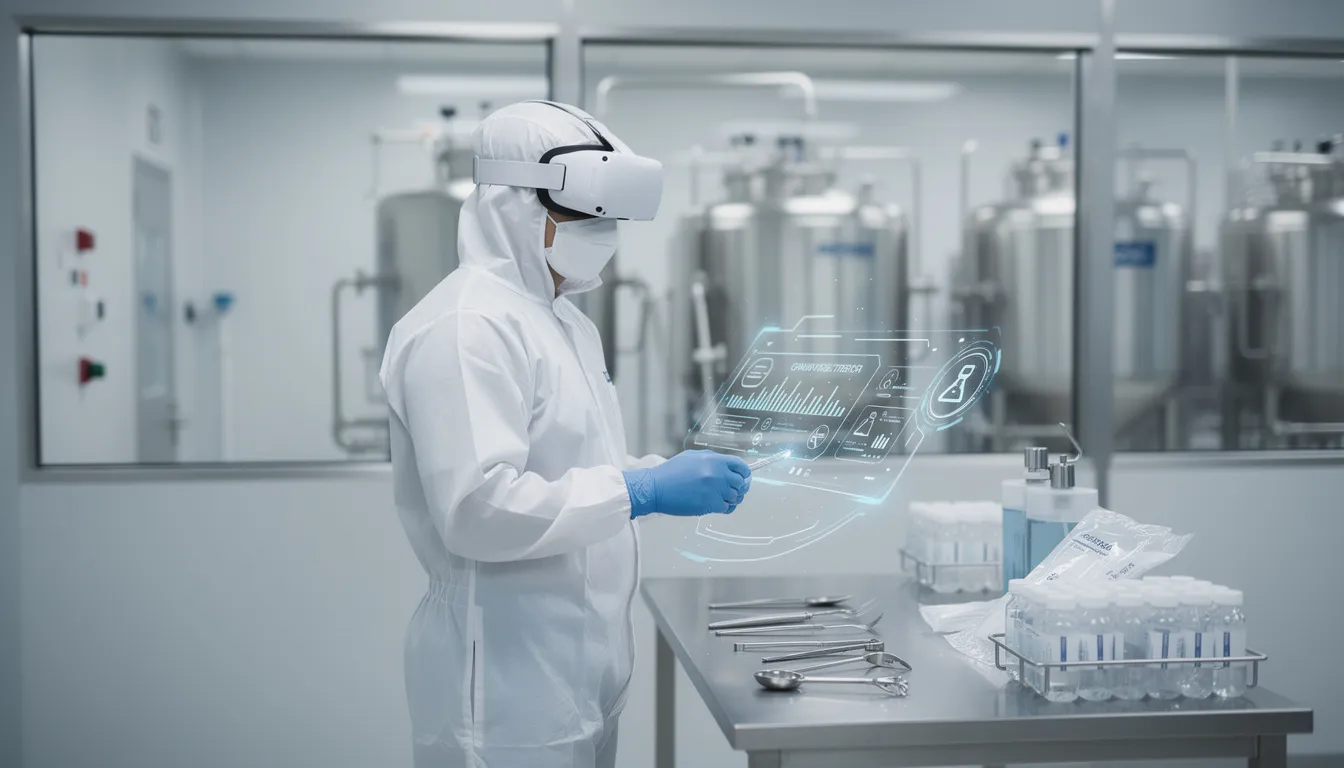
Virtual reality simulations offer immersive training experiences for sterile manufacturing environments where physical practice may be impractical or risky. VR modules can simulate cleanroom gowning procedures, aseptic manipulations, and equipment operation scenarios while providing immediate feedback and performance scoring. Virtual reality can simulate real pharmaceutical production environments, giving learners a hands-on experience of GMP compliance and enhancing their understanding of critical processes.
Incorporating gamification elements through progress tracking, achievement badges, and competency-based advancement can significantly improve learner engagement and knowledge retention. However, gamification in GMP environments must emphasize learning objectives rather than entertainment value, ensuring all game mechanics support training effectiveness rather than distract from essential content. Gamification introduces game-like elements such as points, badges, and leaderboards to make learning more enjoyable and competitive, fostering a more engaging training experience.
Content Documentation
The content development process must include comprehensive documentation of learning objectives, assessment criteria, and competency requirements. This documentation supports both internal quality assurance and external regulatory validation while providing clear guidance for ongoing content maintenance and updates.
After developing engaging content, it is essential to ensure that knowledge is effectively assessed and validated.
Assessment and Knowledge Validation Design
Creating competency-based quizzes aligned with specific GMP regulations and company SOPs requires careful attention to both content validity and assessment rigor. Questions must test application knowledge rather than simple memorization, using scenarios that mirror real-world manufacturing situations. It is essential to assess training by evaluating knowledge acquisition, skills application, and continuous improvement through assessments and feedback.
Competency-Based Quizzes
Implementing randomized question banks prevents memorization while ensuring comprehensive coverage of essential topics. Each assessment should draw from a larger pool of validated questions, maintaining consistent difficulty while providing unique experiences for different learners or retesting situations.
Assessment Design Principles
- Competency-Based: Test ability to perform job-relevant tasks, not recall facts.
- Scenario-Driven: Use realistic manufacturing situations and decision points.
- Progressive Difficulty: Build complexity as learners demonstrate competence.
- Immediate Feedback: Provide explanations for both correct and incorrect responses.
- Remediation Triggers: Automatically assign additional training for failed assessments.
Practical Simulations
Practical simulations provide opportunities for hands-on skills demonstration and evaluation, particularly important for procedures requiring physical dexterity or complex decision-making. These assessments might include virtual equipment operation, batch record completion, or deviation investigation scenarios with branching decision trees.
Automated remedial training triggers help address knowledge gaps immediately rather than waiting for periodic reviews. When learners fail assessments or demonstrate specific competency gaps, the system should automatically assign targeted training modules and schedule reassessment opportunities. Regular assessments throughout the training process can help gauge employees’ understanding of GMP principles, ensuring that knowledge gaps are identified and addressed promptly. Feedback from participants is crucial for continuously improving and refining the GMP training program.
Assessment Documentation
Assessment scores must be documented and maintained according to training records requirements, with clear linkage between assessment performance and job competency validation. This documentation proves essential during regulatory inspections when inspectors examine the connection between training completion and actual job performance.
Implementation Strategy for GMP eLearning Programs
Executing a phased rollout approach minimizes operational disruption while providing opportunities to refine your training systems before full deployment. Begin with pilot groups in critical manufacturing areas where training effectiveness can be closely monitored and feedback incorporated into system improvements.
The pilot phase should focus on a representative sample of your workforce, including different educational backgrounds, computer literacy levels, and job responsibilities. This diversity helps identify potential adoption barriers and system limitations before broader implementation begins.
Phased Implementation Timeline
| Phase | Duration | Scope | Key Activities |
|---|---|---|---|
| Pilot | 4-6 weeks | 20-30 users, 1-2 departments | System testing, user feedback, content validation |
| Limited Launch | 8-10 weeks | 100-150 users, core manufacturing | Training effectiveness measurement, process refinement |
| Department Rollout | 12-16 weeks | Full departments, sequential deployment | Change management, super user training, support system |
| Full Implementation | 16-20 weeks | All GMP personnel, complete system | Performance monitoring, continuous improvement, compliance validation |
Establishing change management protocols helps smooth the transition from classroom training to online training methods. Communication strategies should emphasize benefits such as flexible scheduling, consistent content quality, and improved tracking capabilities while addressing concerns about technology adoption and learning effectiveness.
Training super users and department champions creates local support networks that facilitate system adoption and provide immediate assistance for technical issues. These individuals should receive advanced training on both system functionality and adult learning principles, enabling them to support their colleagues effectively.
Monitoring system performance includes both technical metrics such as server response times and user experience factors including completion rates, assessment scores, and user satisfaction surveys. Regular performance reviews help identify system optimization opportunities and content improvement needs.
Ensuring Regulatory Compliance and Validation
Documenting system validation protocols requires comprehensive installation qualification (IQ) and operational qualification (OQ) procedures that demonstrate your eLearning platform meets all regulatory requirements. The validation process must address computer software assurance principles while proving system reliability and data integrity.
Validation Documentation Requirements
- User Requirements Specification: Define functional and regulatory requirements.
- Functional Specification: Detail system capabilities and performance criteria.
- Design Specification: Document technical architecture and security controls.
- Installation Qualification: Verify proper system installation and configuration.
- Operational Qualification: Demonstrate system performs according to specifications.
- Performance Qualification: Validate system effectiveness in actual use conditions.
Maintaining electronic records integrity requires implementing ALCOA+ principles throughout your training management system. All training records must be attributable to specific individuals, legible in electronic format, contemporaneous with actual training events, original and unaltered, accurate and complete.
ALCOA+ Implementation Framework
| Principle | System Requirements | Validation Evidence |
|---|---|---|
| Attributable | Unique user identification, electronic signatures | User authentication logs, signature records |
| Legible | Clear display, readable formats, proper resolution | Screen captures, printout samples, accessibility testing |
| Contemporaneous | Real-time recording, automatic timestamps | System clock validation, timestamp accuracy testing |
| Original | Unmodified source records, audit trail preservation | Change control documentation, backup verification |
| Accurate | Data verification, error checking, validation rules | Content accuracy testing, system validation protocols |
Electronic backup systems with secure cloud storage and disaster recovery protocols ensure training records remain available and retrievable throughout required retention periods. Backup procedures must include regular testing, offsite storage, and documented recovery procedures that maintain record integrity.
User access controls with role-based permissions prevent unauthorized modifications while ensuring appropriate personnel can access necessary training records and system functions. Regular access reviews help maintain security by removing inactive users and updating permissions based on job changes.
Change control documentation must capture all system modifications, content updates, and configuration changes with appropriate approval workflows and impact assessments. This documentation demonstrates system control and provides audit trails for regulatory inspection purposes.
Measuring Training Effectiveness and Continuous Improvement
Tracking key performance indicators provides objective evidence of training program effectiveness while identifying opportunities for continuous improvement. Achieving training goals requires not only tracking these metrics but also using them to drive effective measurement and continuous improvement.
Key Performance Indicators
Training Effectiveness Metrics Dashboard
| Metric Category | Key Indicators | Target Performance |
|---|---|---|
| Completion | Course completion rates, on-time training | >95% completion within deadlines |
| Competency | Assessment scores, practical evaluations | >90% first-pass rate, < 5% remediation |
| Quality Impact | Deviation rates, audit findings | 20% reduction in training-related deviations |
| Efficiency | Time-to-competency, training costs | 30% reduction in training time and costs |
| User Experience | Satisfaction scores, system usability | >4.0/5.0 satisfaction, < 2% technical issues |
Analyzing correlation between training outcomes and quality metrics provides powerful evidence of training program value and regulatory compliance effectiveness. Organizations typically observe significant improvements in deviation rates, audit findings, and first-pass yield following implementation of effective GMP eLearning programs.
Feedback Collection
Collecting learner feedback through surveys, focus groups, and usability testing sessions helps identify content gaps, technical issues, and user experience improvements. Regular feedback collection should address both training content effectiveness and system functionality to guide continuous improvement efforts.
Continuous Improvement Cycles
Implementing continuous improvement cycles with quarterly content updates and annual program reviews ensures your training system remains current with regulatory changes, procedural updates, and emerging best practices. Regular updates and ongoing education in GMP are necessary to keep employees informed about the latest standards and regulations. Ongoing refresher courses are essential to keep employees up to date with the latest GMP requirements and standards. These improvement cycles should include formal review processes with stakeholder input and management approval.
The continuous improvement process must also address training gaps identified through quality metrics, audit findings, or regulatory feedback. Rapid response capabilities for updating training content help address emerging issues before they impact broader operations or regulatory compliance.

Technology Integration and Advanced Features
Mobile Learning
Integrating mobile learning capabilities enables on-the-floor training support and just-in-time access to critical procedures and reference materials. Mobile platforms must maintain the same security and validation standards as desktop systems while providing practical access in manufacturing environments.
Mobile training delivery requires careful consideration of device management, content formatting, and network infrastructure in manufacturing areas. Tablets and smartphones must be validated for use in cleanroom environments and integrated with existing device management systems to maintain security and compliance.
Artificial Intelligence
Implementing artificial intelligence for personalized learning paths and adaptive content delivery can significantly improve training effectiveness by customizing experiences based on individual learning patterns and competency requirements. AI implementations in GMP environments require careful validation and ongoing monitoring to ensure algorithmic decisions remain transparent and auditable.
Manufacturing Integration
Connecting with manufacturing execution systems (MES) enables real-time training triggers based on process events, equipment changes, or quality alerts. This integration provides automatic training assignment when personnel encounter new procedures or equipment modifications, ensuring competency maintenance in dynamic manufacturing environments.
Augmented Reality
Utilizing augmented reality for equipment training and standard operating procedure demonstrations offers immersive learning experiences that bridge the gap between theoretical knowledge and practical application. AR systems can overlay digital instructions directly onto physical equipment, providing contextual guidance during actual work performance.
Advanced Technology Integration Options
| Technology | GMP Applications | Implementation Considerations |
|---|---|---|
| Mobile Learning | Just-in-time training, SOP access, micro-learning | Device validation, cleanroom compatibility, network access |
| Artificial Intelligence | Personalized learning paths, adaptive content | Algorithm validation, decision transparency, bias prevention |
| Manufacturing Integration | Real-time training triggers, process-linked learning | System validation, network security, change control |
| Augmented Reality | Equipment procedures, visual work instructions | Hardware requirements, content development costs, user training |
Transition: Managing costs and demonstrating return on investment are essential for sustaining and scaling your eLearning initiatives.
Cost Management and Return on Investment
Calculating total cost of ownership requires comprehensive analysis of software licensing, content development, ongoing maintenance, and system administration costs. Hidden costs often include user device requirements, network infrastructure upgrades, and validation activities that extend beyond initial implementation budgets.
Cost-Benefit Analysis Framework
| Cost Category | Initial Investment | Ongoing Annual Costs |
|---|---|---|
| Software Licensing | $50,000-150,000 | $15,000-45,000 |
| Content Development | $100,000-300,000 | $25,000-75,000 |
| System Validation | $25,000-75,000 | $5,000-15,000 |
| Training & Support | $15,000-50,000 | $10,000-30,000 |
| Infrastructure | $20,000-100,000 | $5,000-25,000 |
Measuring ROI through reduced classroom training costs, decreased travel expenses, and improved productivity typically demonstrates positive returns within 12-24 months for organizations with 200+ GMP personnel. Choosing an online course over traditional classroom training is often more cost-effective and convenient, saving both time and money. Larger organizations often achieve even faster payback periods due to economies of scale in content development and system administration.
Analyzing cost savings from reduced deviation rates, shorter training cycles, and improved employee retention provides additional ROI justification beyond direct training cost reductions. Quality improvements often represent the most significant financial benefits, with single avoided recalls potentially justifying entire program investments. For microlearning, modules should be limited to 20-30 minutes maximum to enhance learning effectiveness.
Benchmarking costs against industry standards helps validate investment decisions and identify optimization opportunities. Industry surveys suggest successful GMP eLearning implementations typically cost $500-1,500 per user annually, including all system, content, and support costs.
The ROI calculation should also consider intangible benefits such as improved audit readiness, enhanced regulatory compliance, and increased organizational agility in responding to regulatory changes or new product introductions. These strategic advantages often provide long-term value that exceeds direct cost savings. Effective GMP eLearning can also deliver a competitive advantage by improving skills and compliance efficiently, helping organizations outperform their peers.
Common Implementation Challenges and Solutions
User Resistance
Addressing user resistance requires comprehensive change management strategies that acknowledge legitimate concerns while demonstrating clear benefits of digital training over traditional classroom methods. Resistance often stems from technology anxiety, concerns about learning effectiveness, or fears about job security rather than opposition to training itself.
Technical Barriers
Overcoming technical barriers requires robust IT support, comprehensive system integration planning, and extensive user training programs. Technical challenges often emerge during implementation rather than initial planning, making flexible support structures essential for successful deployment.
Content Quality
Managing content quality through subject matter expert involvement and peer review processes ensures training materials meet both technical accuracy and regulatory compliance requirements. Content quality issues often reflect inadequate SME engagement rather than technology limitations, suggesting process improvements rather than system changes.
Scalability
Ensuring scalability across multiple manufacturing sites requires standardized deployment procedures, centralized content management, and local support networks. Large organizations benefit from regional implementation teams that can adapt global standards to local requirements while maintaining consistent quality and compliance.
Implementation Challenge Solutions
| Challenge | Root Causes | Proven Solutions |
|---|---|---|
| User Resistance | Technology anxiety, change fatigue, skepticism | Early communication, pilot programs, success stories |
| Technical Barriers | Infrastructure limitations, system complexity | Phased deployment, technical training, help desk support |
| Content Quality | SME availability, resource constraints | Dedicated project teams, external resources, templates |
| Scalability | Multiple sites, diverse populations | Standardized processes, local champions, centralized management |
Change Management and User Adoption
Communication Strategies
Developing communication strategies that highlight specific benefits of digital training helps overcome resistance while building enthusiasm for new capabilities. Communications should address practical concerns such as flexible scheduling, consistent content quality, and improved tracking while acknowledging valid concerns about technology adoption.
Early Adopter Programs
Creating early adopter programs with incentives and recognition encourages influential users to become system champions who can influence broader adoption through peer networks. Early adopters often become valuable sources of feedback and improvement suggestions while serving as visible success examples.
Support Networks
Training local administrators and creating peer support networks within departments reduces dependence on central IT support while building local expertise and ownership. Local administrators often understand department-specific needs better than central support teams, enabling more effective problem resolution and user assistance.
User Adoption Strategies
- Champion Programs: Identify and train influential users who can support peer adoption.
- Success Showcases: Highlight early wins and positive outcomes from pilot implementations.
- Feedback Loops: Provide multiple channels for user input and demonstrate responsiveness.
- Support Networks: Establish help desk, peer mentoring, and local administrator support.
- Recognition Programs: Acknowledge successful adopters and effective usage patterns.
Learn more about our Subscription plans to boost user adoption and access expert-led courses.
Establishing feedback loops for continuous user input and system improvements demonstrates organizational commitment to user success while providing valuable insights for system optimization. Feedback mechanisms should include both formal surveys and informal communication channels that encourage ongoing input.
Future-Proofing GMP eLearning Systems
Planning for regulatory changes including upcoming FDA computer software assurance guidelines requires flexible system architectures that can adapt to evolving requirements without complete redesign. Recent FDA guidance emphasizes risk-based approaches to software validation, suggesting future requirements may be less prescriptive but more outcome-focused.
Preparing for technology evolution with cloud migration strategies and API-first architecture enables integration with emerging technologies while maintaining current functionality. Cloud-based systems offer advantages in scalability, disaster recovery, and automatic updates while requiring careful attention to data security and regulatory compliance.
Future-Proofing Strategies
| Area | Current Trends | Preparation Actions |
|---|---|---|
| Regulatory | Risk-based validation, data integrity focus | Flexible validation frameworks, comprehensive documentation |
| Technology | Cloud computing, AI/ML, mobile-first design | Modern architecture, API integration, scalable platforms |
| Content | Microlearning, personalization, real-time updates | Modular design, automated authoring, analytics integration |
| Operations | Remote work, global standardization, continuous learning | Virtual delivery, centralized management, automated tracking |
Building content libraries that can adapt to new GMP requirements and industry best practices requires modular design approaches that separate content from delivery systems. Modular content enables rapid updates while maintaining version control and regulatory compliance documentation.
Establishing vendor partnerships for long-term system support and continuous innovation helps ensure your investment remains current with technology advances and regulatory developments. Vendor relationships should include clear service level agreements, update schedules, and support for emerging requirements.
The future of GMP eLearning will likely emphasize continuous learning over periodic training events, requiring systems that support ongoing competency development rather than compliance-driven course completion. This shift toward continuous learning aligns with regulatory emphasis on quality culture and proactive risk management.
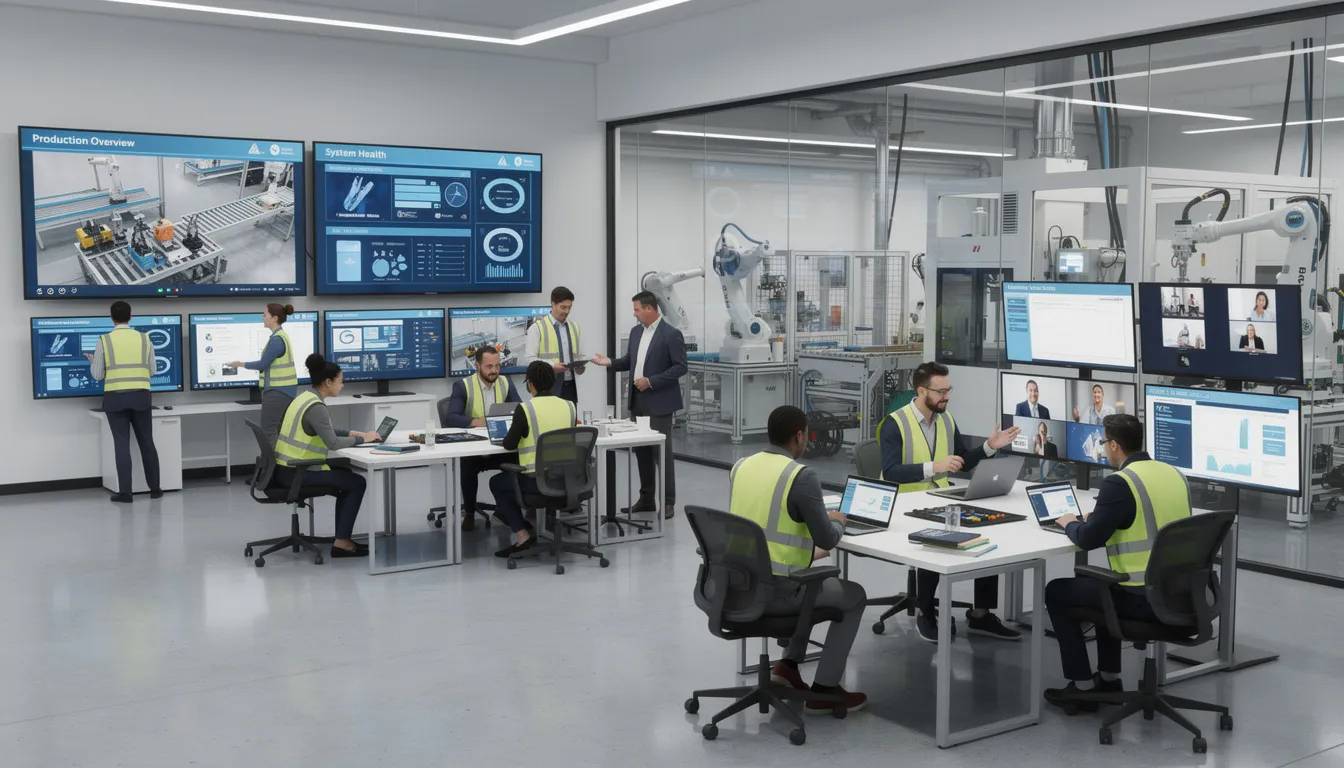
Modern GMP eLearning systems must also prepare for increased integration with manufacturing operations, quality management systems, and business intelligence platforms. These integrations enable real-time training triggers, performance analytics, and predictive competency management that transform training from a compliance activity into a strategic operational capability.
Effective eLearning design for GMP environments represents a strategic investment that extends far beyond compliance requirements. Organizations that successfully implement comprehensive digital training systems achieve measurable improvements in quality metrics, operational efficiency, and regulatory preparedness while building sustainable competitive advantages in increasingly complex manufacturing environments.
The key to success lies in balancing regulatory requirements with practical operational needs, ensuring your training system supports both compliance obligations and business objectives. By following the systematic approach outlined in this guide, you can create eLearning programs that transform training from a necessary burden into a strategic capability that drives continuous improvement and operational excellence.
As the pharmaceutical industry continues evolving toward Industry 4.0 technologies and data-driven manufacturing, effective training systems become even more critical for maintaining quality standards while enabling innovation. Organizations that invest in robust, future-oriented GMP eLearning platforms position themselves for sustained success in an increasingly competitive and regulated marketplace.
Begin your GMP eLearning transformation by conducting a comprehensive training needs assessment and evaluating your current system’s regulatory compliance. The investment in effective training design will pay dividends through improved quality metrics, reduced compliance risks, and enhanced operational capabilities that support long-term business success.
Summary: Key Steps and Best Practices for Designing Effective eLearning for GMP Environments
To design effective eLearning for GMP environments, follow these key steps and best practices:
- Conduct a Comprehensive Needs Assessment: Identify specific training requirements and skill gaps across all departments to ensure targeted and effective training.
- Understand Regulatory Requirements: Align all training content and systems with FDA, ICH, and EU GMP guidelines to ensure compliance.
- Select a Compliant LMS: Choose a 21 CFR Part 11 compliant learning management system with robust audit trails, electronic signatures, and automated training assignments.
- Develop Engaging, Interactive Content: Use scenario-based learning, multimedia, virtual reality, and gamification to enhance engagement and knowledge retention.
- Define Clear Learning Objectives: Ensure every e-learning module has specific, measurable learning objectives that align with desired performance outcomes and regulatory requirements.
- Implement Competency-Based Assessments: Use quizzes, practical simulations, and scenario-driven evaluations to validate knowledge and skills.
- Document and Validate Training Processes: Maintain comprehensive records, follow ALCOA+ principles, and validate all systems and content for regulatory inspections.
- Monitor Effectiveness and Drive Continuous Improvement: Track key performance indicators, collect feedback, and update training regularly to address gaps and regulatory changes.
- Leverage Advanced Technologies: Integrate mobile learning, AI, MES, and AR to support just-in-time training and personalized learning experiences.
- Manage Change and Foster User Adoption: Use communication strategies, early adopter programs, and support networks to ensure successful implementation and ongoing engagement.
Effective e-learning programs integrate regulatory compliance with practical application and engagement strategies. By following these best practices, organizations can create training systems that not only meet compliance requirements but also drive operational excellence and continuous improvement in GMP environments.