Common Good Documentation Practice (GDocP) Errors That Cause Findings
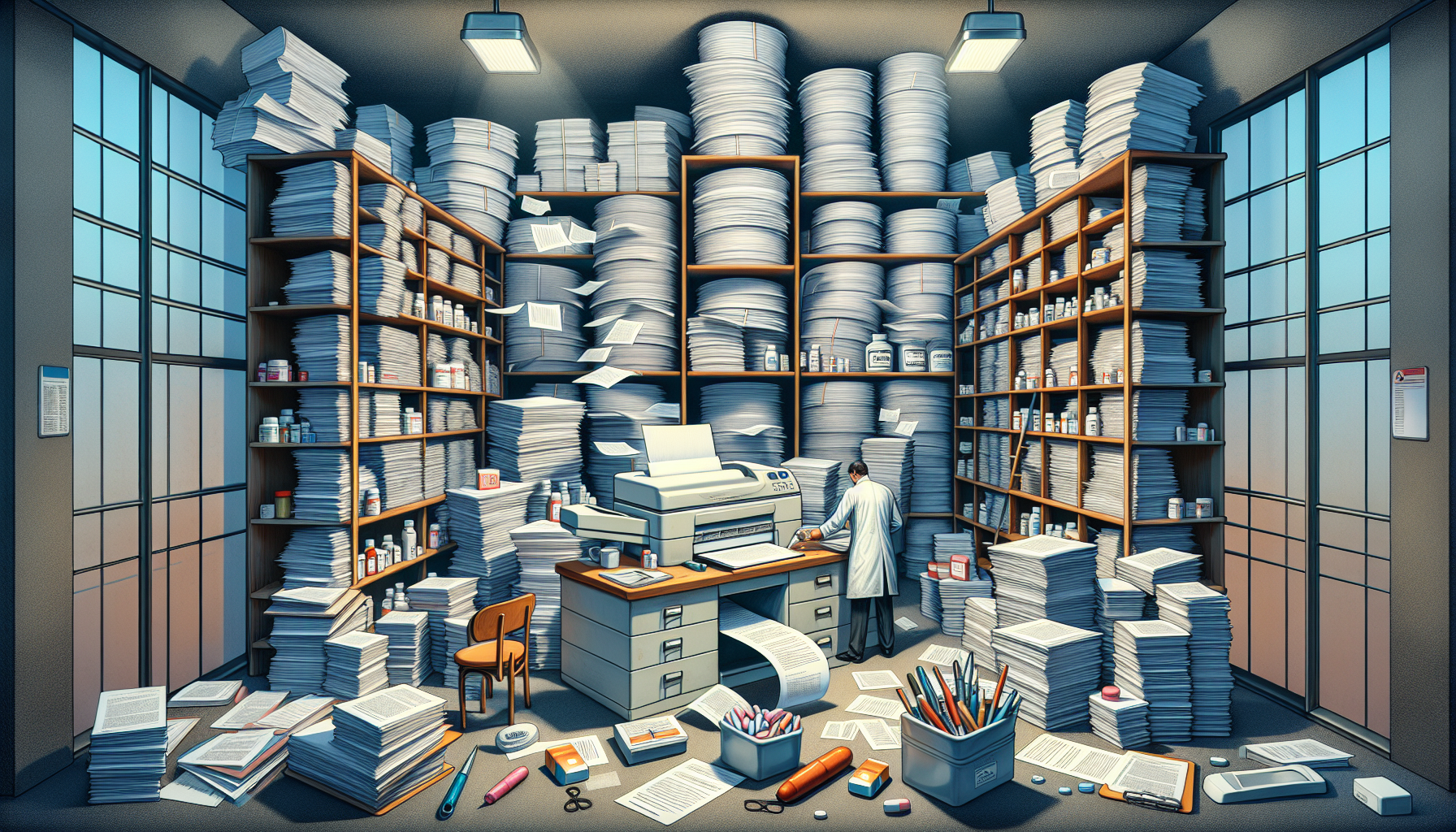
Why is documentation in pharma critical, and how can it be managed efficiently? This article directly examines these questions, introducing the role of key documents like SOPs and batch records in ensuring compliance and safety. Expect comprehensive insights into streamlining documentation processes for a robust pharma industry.
 Documentation is the lifeblood of the pharmaceutical industry, a keystone that ensures compliance with various regulatory standards and maintains a comprehensive quality management system. It plays the role of a faithful scribe, meticulously recording decision-making processes, informing future actions, and enhancing the quality of outcomes.
In the labyrinthine journey of drug manufacturing, from raw materials assessment to the final product distribution, documentation acts as a reliable compass, facilitating traceability. It paints a vivid picture of the production process, allowing every step to be traced and accounted for, thereby ensuring the safety and efficacy of the drugs produced. Records provide a complete history of every batch of a product, which is critical for investigations and recalls. Documentation is also used to determine whether each batch complies with regulatory requirements and meets quality standards before release.
Documentation is the lifeblood of the pharmaceutical industry, a keystone that ensures compliance with various regulatory standards and maintains a comprehensive quality management system. It plays the role of a faithful scribe, meticulously recording decision-making processes, informing future actions, and enhancing the quality of outcomes.
In the labyrinthine journey of drug manufacturing, from raw materials assessment to the final product distribution, documentation acts as a reliable compass, facilitating traceability. It paints a vivid picture of the production process, allowing every step to be traced and accounted for, thereby ensuring the safety and efficacy of the drugs produced. Records provide a complete history of every batch of a product, which is critical for investigations and recalls. Documentation is also used to determine whether each batch complies with regulatory requirements and meets quality standards before release.
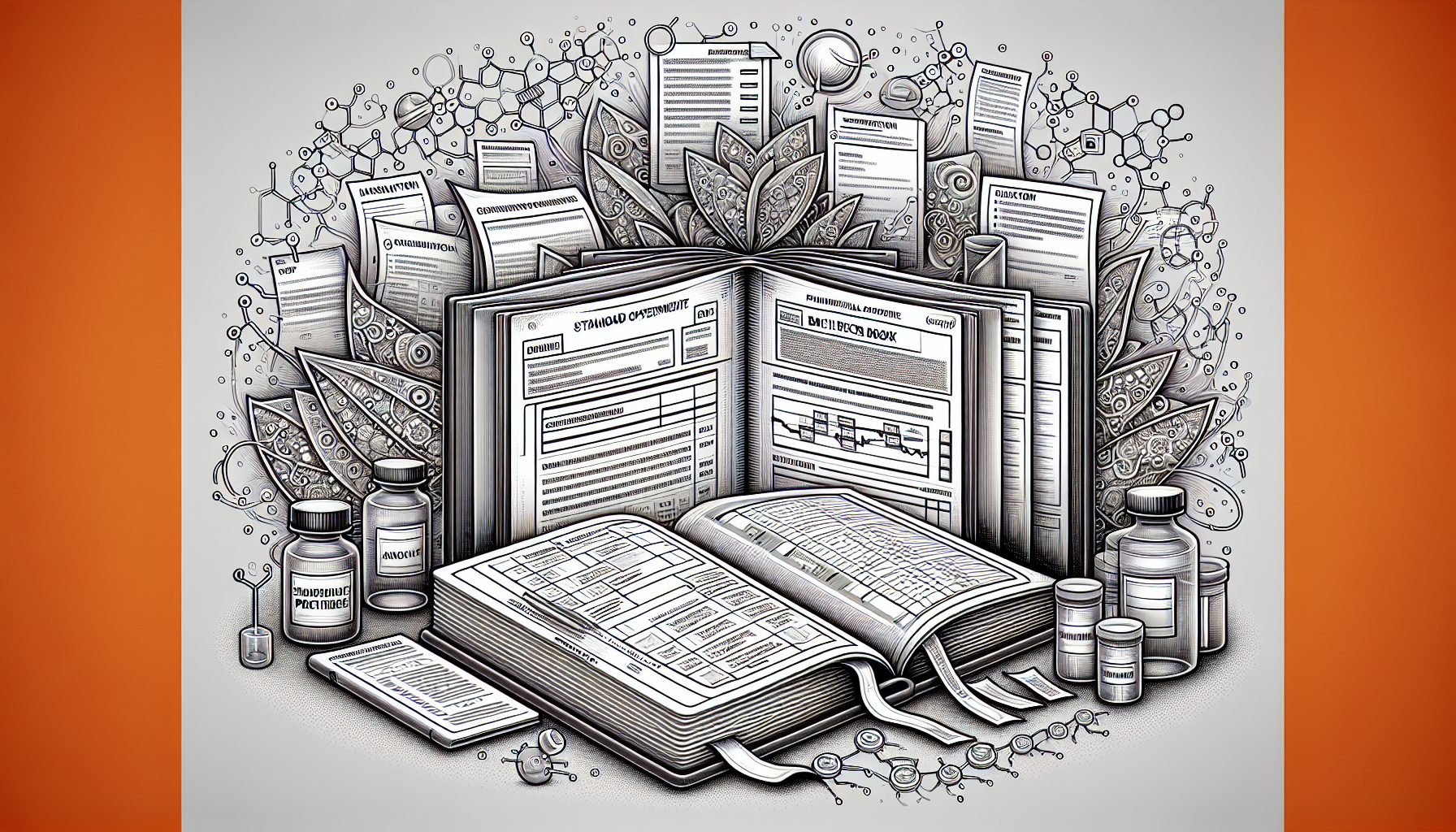 Documentation in the pharmaceutical industry, much like a multifaceted gem, serves various functions. These include regulatory compliance, ensuring quality, and maintaining traceability. This documentation can take various types, including contracts, proposals, user guides, and manuscripts.
For example, a Standard Operating Procedure (SOP) outlines step-by-step instructions for specific processes, while batch records document the production history of each batch, illustrating the diversity of documentation required in the industry.
But among these, the most common types of documents that stand out for their crucial roles are the Standard Operating Procedures (SOPs), batch records, and validation documents. Each of these document types plays a unique role in the pharmaceutical industry, serving different functions and contributing to the overall efficacy and safety of the manufacturing process.
Documentation in the pharmaceutical industry, much like a multifaceted gem, serves various functions. These include regulatory compliance, ensuring quality, and maintaining traceability. This documentation can take various types, including contracts, proposals, user guides, and manuscripts.
For example, a Standard Operating Procedure (SOP) outlines step-by-step instructions for specific processes, while batch records document the production history of each batch, illustrating the diversity of documentation required in the industry.
But among these, the most common types of documents that stand out for their crucial roles are the Standard Operating Procedures (SOPs), batch records, and validation documents. Each of these document types plays a unique role in the pharmaceutical industry, serving different functions and contributing to the overall efficacy and safety of the manufacturing process.
 In the digital era, Electronic Document Management Systems (EDMS) offer a sea of possibilities for managing pharmaceutical documentation. They offer increased security through password protection and storage behind firewalls. They allow for the creation of a searchable and shareable database by converting image files to PDFs, optimizing storage and accessibility in the pharmaceutical industry. Electronic documents save money and physical storage space compared to paper documents.
E-signatures, also known as electronic signatures, offered by EDMS enhance security, provide legal binding, and traceable information about the signer’s identity, location, and time of signing, compared to traditional signatures. EDMS can also store contact details for inquiries, legal communication, or customer support, ensuring clear communication channels and traceability. Implementing Acrobat Sign for e-signatures leads to improved customer and client relations, cost savings, and the ease of sending, signing, and tracking documents.
EDMS help maintain the integrity of original information by applying standard classification rules and ensuring accurate, traceable records.
Paper-based systems, the traditional sailboats of document management, offer their own unique advantages. They allow easy handling of documents, including the master document, without the need for computer knowledge and can be stored systematically in physical form.
Documents in a paper-based system can be reproduced using a photocopier machine. Within the office environment, it is important to ensure secure storage and proper handling of documents to protect sensitive information and maintain workflow. A paper document, being an original document, is recognized by law as official and can be used as evidence in court. Managing paper documents efficiently is crucial for businesses and organizations.
In the digital era, Electronic Document Management Systems (EDMS) offer a sea of possibilities for managing pharmaceutical documentation. They offer increased security through password protection and storage behind firewalls. They allow for the creation of a searchable and shareable database by converting image files to PDFs, optimizing storage and accessibility in the pharmaceutical industry. Electronic documents save money and physical storage space compared to paper documents.
E-signatures, also known as electronic signatures, offered by EDMS enhance security, provide legal binding, and traceable information about the signer’s identity, location, and time of signing, compared to traditional signatures. EDMS can also store contact details for inquiries, legal communication, or customer support, ensuring clear communication channels and traceability. Implementing Acrobat Sign for e-signatures leads to improved customer and client relations, cost savings, and the ease of sending, signing, and tracking documents.
EDMS help maintain the integrity of original information by applying standard classification rules and ensuring accurate, traceable records.
Paper-based systems, the traditional sailboats of document management, offer their own unique advantages. They allow easy handling of documents, including the master document, without the need for computer knowledge and can be stored systematically in physical form.
Documents in a paper-based system can be reproduced using a photocopier machine. Within the office environment, it is important to ensure secure storage and proper handling of documents to protect sensitive information and maintain workflow. A paper document, being an original document, is recognized by law as official and can be used as evidence in court. Managing paper documents efficiently is crucial for businesses and organizations.
Key Takeaways
- Documentation in the pharmaceutical industry is vital for ensuring compliance with regulatory standards like GMP, enabling traceability, and maintaining quality control and assurance through meticulous records and processes such as SOPs, batch records, and validation documents.
- Good Documentation Practice (GDocP) applies to all records in the pharmaceutical industry, whether paper-based or electronic, ensuring consistency and reliability.
- Electronic Document Management Systems (EDMS) provide numerous benefits over traditional paper-based systems, including improved efficiency, security, ease of access, and streamlined audits, although they require careful selection based on factors like security and industry-specific needs.
- Paper-based documentation remains in use due to its straightforward handling, reproduction capacity, and legal recognizability, but in most cases, it faces challenges in storage, mobility, and collaboration which can be mitigated by adopting electronic systems.
The Importance of Documentation in Pharma
Documentation is the lifeblood of the pharmaceutical industry, a keystone that ensures compliance with various regulatory standards and maintains a comprehensive quality management system. It plays the role of a faithful scribe, meticulously recording decision-making processes, informing future actions, and enhancing the quality of outcomes.
In the labyrinthine journey of drug manufacturing, from raw materials assessment to the final product distribution, documentation acts as a reliable compass, facilitating traceability. It paints a vivid picture of the production process, allowing every step to be traced and accounted for, thereby ensuring the safety and efficacy of the drugs produced. Records provide a complete history of every batch of a product, which is critical for investigations and recalls. Documentation is also used to determine whether each batch complies with regulatory requirements and meets quality standards before release.
Regulatory Compliance
At the heart of the pharmaceutical industry lies the principle of Good Manufacturing Practices (GMP), a beacon that guides companies to ensure product quality and safety. Documentation is the steadfast ally that aids in adhering to regulations set by authorities such as the Food and Drug Administration (FDA) and the Medicines and Healthcare products Regulatory Agency (MHRA). Accurate records etch the story of all activities during batch manufacture, establishing control over processes and proving adherence to procedures. Document control, in particular, is a critical aspect for achieving regulatory compliance and ensuring consistent product quality. Batch Records document all manufacturing steps, raw materials, equipment used, and test results for each specific batch of a product. Validation documents further strengthen this framework by confirming the methodical evaluation of production processes, supporting adherence to GMP and assuring product quality.Quality Control and Assurance
Quality control and assurance in the pharmaceutical industry stand on the bedrock of detailed documenting and tracking processes. These processes form a robust shield that enables the detection and correction of any deviations. Quality control documentation often includes notes on deviations, issues, or special problems encountered during production, ensuring thorough record-keeping and traceability. An integral part of this structure is the Standard Operating Procedures (SOPs). Like a trusted guidebook, SOPs ensure ongoing quality assurance and uphold the industry’s best practices to ensure patient safety and public health.Traceability and Accountability
In the intricate world of pharmaceutical manufacturing, robust documentation and tracking systems serve as the thread that traces a product’s journey through its production stages. This traceability is vital in the event of adverse reactions or product recalls. Batch records play a crucial role in this process, recording details of production cycles to ensure quality control and correct usage of materials and equipment. All critical actions and data must be properly recorded to maintain traceability and compliance. Efficient pharmaceutical document management, thus, involves the systematic storing and tracking of these critical documents to accommodate auditing processes and confirm product safety and efficacy.Hierarchical Document System
A hierarchical document system is the backbone of effective document management in the pharmaceutical industry. This structured approach organizes documents in a pyramid-like fashion, starting with high-level documents that set the overall direction and cascading down to more detailed, specific instructions. At the top sits the quality manual, which outlines the company’s commitment to quality control and regulatory compliance. Below this are company policies, followed by standard operating procedures (SOPs), and finally, documents such as batch records and test methods that provide step-by-step guidance for daily operations. Implementing a hierarchical document system is essential for maintaining consistency and control throughout all processes. Each document is created, reviewed, approved, and distributed according to its place in the hierarchy, ensuring that employees always have access to the most relevant and up-to-date information. This system not only reduces the risk of errors but also streamlines document management, making it easier to track changes and maintain secure records. With the adoption of electronic documents and advanced document management systems, companies can further enhance the efficiency and security of their hierarchical document system. Electronic systems allow for quick retrieval, robust version control, and secure access to essential documents, supporting quality control and regulatory compliance at every level. By leveraging these tools, organizations can improve customer service, reduce risk, and ensure that all processes are aligned with industry standards.Key Types of Pharmaceutical Documentation
Documentation in the pharmaceutical industry, much like a multifaceted gem, serves various functions. These include regulatory compliance, ensuring quality, and maintaining traceability. This documentation can take various types, including contracts, proposals, user guides, and manuscripts.
For example, a Standard Operating Procedure (SOP) outlines step-by-step instructions for specific processes, while batch records document the production history of each batch, illustrating the diversity of documentation required in the industry.
But among these, the most common types of documents that stand out for their crucial roles are the Standard Operating Procedures (SOPs), batch records, and validation documents. Each of these document types plays a unique role in the pharmaceutical industry, serving different functions and contributing to the overall efficacy and safety of the manufacturing process.
Standard Operating Procedures (SOPs)
Standard Operating Procedures (SOPs), the guiding stars of the pharmaceutical industry, are essential for outlining detailed processes and ensuring consistency and compliance with regulations. SOPs are written instructions that must be followed to ensure regulatory compliance. These critical instructions offer a clear path on how to conduct routine operations, ensuring consistency, compliance, and efficacy. SOPs are detailed step-by-step instructions for performing operational tasks or activities within the pharmaceutical industry. The implementation of these SOPs aids in:- Service quality
- Consistent good practice
- Effective team expertise utilization
- Task delegation
- Staff role clarification
- Training
- Process understanding
- Facilitates team communication
Batch Records
Batch records in pharmaceuticals serve as comprehensive accounts of the production process. They record details on:- Raw materials
- Equipment
- Procedures
- Quality control measures
- Raw material use
- Equipment operation
- In-process controls
- Any deviations from the standard process
Validation Documents
Validation documents, the gatekeepers of quality in the pharmaceutical industry, are essential for demonstrating compliance with predetermined specifications to guarantee product quality. They confirm that all systems and equipment operate according to predefined specifications, ensuring reliable and repeatable performance in pharmaceutical manufacturing. These documents are crucial for confirming that pharmaceutical processes and systems consistently produce results meeting quality specifications, which is fundamental for product safety and efficacy. Validation documents must be properly marked to reflect the highest level of sensitive information included within them, ensuring that security markings accurately represent the most sensitive information contained.Site Master File
The Site Master File is an essential electronic document that provides a comprehensive overview of a pharmaceutical manufacturing site’s operations. This file contains detailed and factual information about the site’s production processes, equipment, and quality control measures, serving as a cornerstone for regulatory compliance. Regulators rely on the Site Master File to assess whether a facility meets the necessary standards for safety and quality. Maintaining an accurate and up-to-date Site Master File is crucial. It should be regularly reviewed and updated to reflect any changes in processes, equipment, or control measures, ensuring that the information remains relevant and reliable. By utilizing electronic document management systems, organizations can efficiently manage their Site Master File, making updates seamless and ensuring that the latest version is always accessible to authorized personnel. An electronic Site Master File not only supports compliance with regulatory requirements but also strengthens quality control by providing a clear, organized record of all essential site details. This approach enhances document management, improves audit readiness, and ensures that the company’s operations are transparent and well-documented.Equipment Cleaning and Use Record
Equipment cleaning and use records are vital documents in pharmaceutical manufacturing, playing a key role in quality control and risk management. These records document every instance of equipment cleaning, maintenance, and use, providing a clear trail of accountability and ensuring that all equipment is properly maintained to prevent contamination. Each equipment cleaning and use record should include essential details such as the date and time of cleaning, the name of the person responsible, and any maintenance or repairs performed. This level of detail supports effective document management and helps organizations quickly identify and address any issues that may arise during production. By adopting electronic document management systems, companies can create, store, and retrieve equipment cleaning and use records with ease. Electronic documents streamline the process, reduce the risk of lost or incomplete records, and enable secure, real-time access to critical information. This not only supports compliance and quality control but also saves time and enhances overall operational efficiency.Best Practices for Managing Pharmaceutical Documentation
Effective document management in the pharmaceutical industry is akin to navigating a vast ocean of paperwork generated during the drug development process. Traditional paper-based document management systems, while useful, can often be inefficient, increase the risk of errors, and pose challenges during audits. Pharmaceutical companies, therefore, have the choice to tread the familiar terrain of paper-based systems or venture into the new territory of electronic document management systems to manage their documentation. Improving pharmaceutical document management can streamline processes by eliminating redundancies, thus enhancing decision-making. Such documents are essential for ensuring compliance, traceability, and quality assurance throughout the pharmaceutical production process.Document Control
Document control in the pharmaceutical industry is much like the conductor of an orchestra. It ensures that all the components, including:- SOPs
- Validation documents
- Training records
- Batch records
- Increased efficiency and productivity
- Improved collaboration and communication
- Enhanced document security and control
- Streamlined document retrieval and version control
- Reduced risk of errors and inconsistencies
Version Control
In the ever-evolving world of pharmaceuticals, version control is the safety net that ensures access to the latest and most accurate information. Pharmaceutical companies implement version control practices to avoid the risks and consequences of document mix-ups, ensuring that only the most current and accurate documents are used.Training and Competency
Training and competency in managing pharmaceutical documentation are akin to an artist mastering his craft. Pharmaceutical quality assurance emphasizes the significance of training staff in good documentation practices for proficiency in document creation and management. Essential pharmaceutical documents such as SOPs, batch records, and logbooks require handling by well-trained employees, including the specialized role of a document controller for document control and archival. Tools such as revised templates for decision-making documentation have been suggested to ensure consistent and informed decisions in document handling in the pharmaceutical industry.Checklist for Compliance Assessment
A checklist for compliance assessment is an indispensable tool for ensuring that a pharmaceutical organization meets all regulatory requirements and internal quality standards. This checklist typically covers key areas such as document management, quality control, equipment maintenance, and procedures for handling deviations or anomalies. By systematically working through a compliance assessment checklist, companies can identify potential gaps in their processes, reduce the risk of non-compliance, and maintain robust control over their operations. The checklist serves as a practical guide for regular self-audits, helping organizations stay prepared for external inspections and regulatory reviews. Incorporating a compliance assessment checklist into the document management process not only supports quality control but also fosters a culture of continuous improvement. By proactively addressing risks and ensuring that all documents and procedures are up to date, companies can safeguard their reputation, enhance operational efficiency, and maintain the highest standards of product quality and safety.Electronic Document Management Systems (EDMS) in Pharma
In the digital era, Electronic Document Management Systems (EDMS) offer a sea of possibilities for managing pharmaceutical documentation. They offer increased security through password protection and storage behind firewalls. They allow for the creation of a searchable and shareable database by converting image files to PDFs, optimizing storage and accessibility in the pharmaceutical industry. Electronic documents save money and physical storage space compared to paper documents.
E-signatures, also known as electronic signatures, offered by EDMS enhance security, provide legal binding, and traceable information about the signer’s identity, location, and time of signing, compared to traditional signatures. EDMS can also store contact details for inquiries, legal communication, or customer support, ensuring clear communication channels and traceability. Implementing Acrobat Sign for e-signatures leads to improved customer and client relations, cost savings, and the ease of sending, signing, and tracking documents.
EDMS help maintain the integrity of original information by applying standard classification rules and ensuring accurate, traceable records.
Advantages of EDMS
Electronic Document Management Systems (EDMS) in the pharmaceutical industry are like the strong currents that propel a ship, contributing to:- Improved efficiency
- User engagement
- Reduced risk of errors
- Streamlined audits
- Training of personnel
- Collaboration
- Easy access to the most current documents and guidelines
- Enhanced communication within organizations for better information flow and document sharing.
Challenges and Considerations
While EDMS offer a host of advantages, their selection requires careful navigation. It requires consideration of factors such as:- industry-specific experience
- collaborative features
- security
- auditability
- reporting tools to ensure compliance and streamline processes.
Paper-based Documentation
Paper-based systems, the traditional sailboats of document management, offer their own unique advantages. They allow easy handling of documents, including the master document, without the need for computer knowledge and can be stored systematically in physical form.
Documents in a paper-based system can be reproduced using a photocopier machine. Within the office environment, it is important to ensure secure storage and proper handling of documents to protect sensitive information and maintain workflow. A paper document, being an original document, is recognized by law as official and can be used as evidence in court. Managing paper documents efficiently is crucial for businesses and organizations.
Advantages of Paper-based Documentation
Paper-based systems offer the advantage of easy handling, reproduction, and legal recognition of documents, which is why most companies still rely on them. They allow businesses to find, share, and organize information for success in modern business. However, paper-based systems also have their limitations and these can be overcome by an electronic document management system which offers additional advantages, such as the ability to store and manage electronic documents in electronic form.Challenges and Considerations of Paper-based Documentation
Despite their advantages, paper-based systems have their fair share of challenges. These challenges include:- Significant storage space required
- Recurring costs of supplies
- Limited mobility
- Messy editing process
- Collaboration difficulties
- Vulnerability to damage
- Inability to back up online